
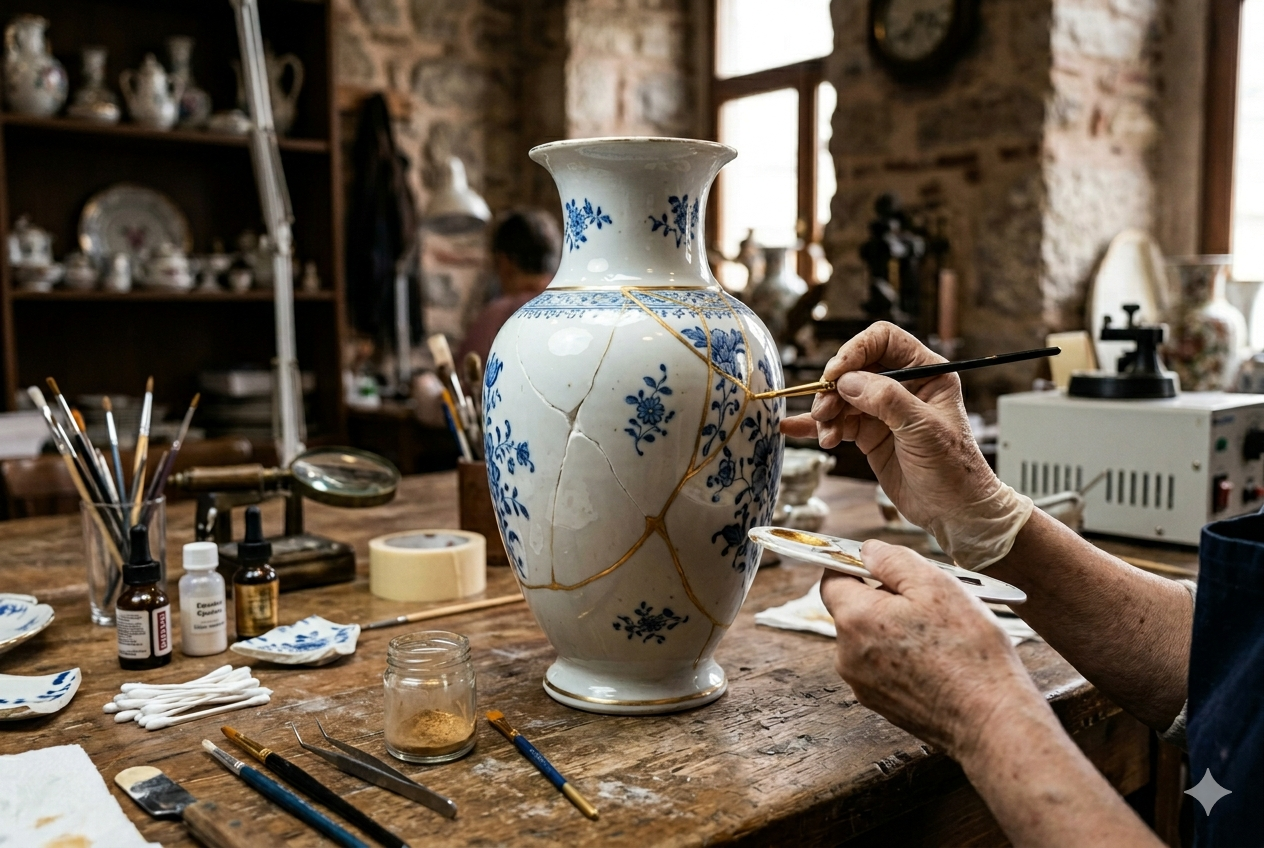
Preserve Your Home's Treasures: Antique Care and Preservation Tips
Antiques are items of historical and cultural value, sometimes very old and rare, and sometimes showcasing beautiful examples of craftsmanship and art. These items hold great value not only for their aesthetic beauty but also for their historical past and significance. Antique collections carry traces of the past into the present, evoke memories of a family's history, or reflect the artistic and artisanal understanding of an era. The love and respect for these items necessitate their transmission to future generations. However, over time, the aesthetic and functional value of antiques can be lost if proper care and preservation are not provided. This article will offer a detailed guide on the care and preservation of antiques, including steps to ensure your valuable household items retain their worth for many years.
1. Understanding the Value of Antiques
Caring for antiques is not just a physical responsibility, but also an emotional and cultural one. An antique can gain value through its aesthetic beauty, historical significance, or rarity. However, every antique is different, and its care requirements vary depending on the item's type, age, and material composition. Before embarking on the care of a collection, it is crucial to understand the antique's type, material, and history. This will help determine what materials it is made from and which preservation methods should be applied.
a) Antique Furniture
Furniture is one of the most common types of antiques. Items such as tables, chairs, cabinets, and nightstands can wear, crack, or change color over time. The care of furniture varies according to the material it is made from. Wooden furniture, especially those with polished or lacquered surfaces, requires careful maintenance. To protect wooden surfaces, they should be kept away from moisture and direct sunlight. Additionally, chemical cleaners that could damage the furniture's surface should be avoided.
b) Ceramic and Porcelain Antiques
Ceramic and porcelain antiques are also quite delicate. Especially old porcelain plates, vases, and tile items can be fragile. Such antiques should be stored in a dry environment, away from temperature fluctuations. Cleaning ceramic antiques should be done with a soft cloth and, if possible, only with water. Chemical cleaners can leave permanent marks on ceramic surfaces. Furthermore, porcelain and ceramic pieces should be kept away from places where they might fall and, if possible, protected in glass display cases or special boxes.
c) Metal Antiques
Metal items such as bronze, silver, and copper are also frequently found among antiques. The most important factor to consider in the care of these items is the risk of oxidation and tarnishing. Metal surfaces should be cleaned regularly and polished with special polishes that prevent tarnishing. However, abrasive cleaners should be avoided when polishing metals like silver. They should also be kept away from humid environments and not exposed to direct sunlight.
2. General Care Methods for Antique Items
There are certain general care methods that should be applied to preserve antiques. Here are some maintenance tips that will help your household antiques retain their value for many years:
a) Cleaning and Maintenance
In the cleaning and maintenance of antiques, using the correct materials and methods is crucial. Generally, it is recommended to use a soft cloth and water instead of abrasive or chemical cleaners. Care should be taken not to damage the surfaces of antiques during cleaning. For wooden items, simply wiping with a damp cloth may suffice. Similarly, abrasive substances should be avoided when cleaning ceramic items.
Special protective polishes can be used for metals, but different polishes are required for each type of metal. Special silver polishes and gold polishes are available for silver and gold items. These polishes preserve the luster of metals and prevent oxidation.
b) Humidity Control
Humidity is one of the biggest threats to the preservation of antiques. Excessive humidity can lead to swelling, cracking, and deterioration, especially in wooden and ceramic antiques. For wooden furniture to last long, it must be kept away from humid environments. This will ensure that antiques are stored properly and help preserve their aesthetic and functional value for many years.
Humidity can also be dangerous for metal antiques, as it can lead to rust. Therefore, silver and copper items, in particular, should be stored in a dry and cool environment. Additionally, using a dehumidifier at home can be beneficial for humidity control.
c) Protection from Sunlight
Antiques must be protected from direct sunlight. Sunlight can cause sensitive materials like fabric and leather to fade, wood to change color, and porcelain to yellow. Storing antiques in a place not exposed to direct sunlight will yield the best results. Furthermore, if antiques are displayed near windows, using UV-blocking glass can be beneficial.
d) Appropriate Storage Conditions
Antiques should always be stored under appropriate conditions. Furniture should be kept away from dust and moisture, preferably in enclosed spaces. Display cases or glass cabinets protect antique ceramics and porcelains. Similarly, special storage boxes and display cases can be used for metal items. These types of protection methods preserve both the aesthetic and structural integrity of the items.
3. Long-Term Preservation of Antique Items
The long-term preservation of antiques is not solely about maintenance and cleaning. It is also a process aimed at preserving the value of the items. To protect the value of your household antiques, you can also consider the following steps:
a) Insurance
The value of antiques can increase over time, and material losses can occur if these items are lost or damaged. Therefore, valuable antiques should be insured. The insurance process requires the value of the antiques to be determined by experts. An insurance policy will financially protect you in case of loss or damage to the antique.
b) Seeking Expert Assistance
Some antiques may require professional restoration or maintenance. Especially very old or rare items can be preserved more effectively by utilizing expert restoration services. Antique restoration should be performed while adhering to the original texture of the items. Additionally, individuals who buy or sell antiques can offer valuable insights into antique care.
4. Conclusion
The antiques in your home carry traces of the past and are items that gain value over time. Therefore, the care and preservation of antiques is not only a physical but also a historical responsibility. Proper antique care ensures the long-term preservation of valuable items, both aesthetically and functionally. Factors such as humidity, sunlight, and correct cleaning methods play a critical role in the healthy storage of antiques. By considering these care tips to keep your antiques valuable for many years, you can fulfill your responsibility to pass them on to future generations.