
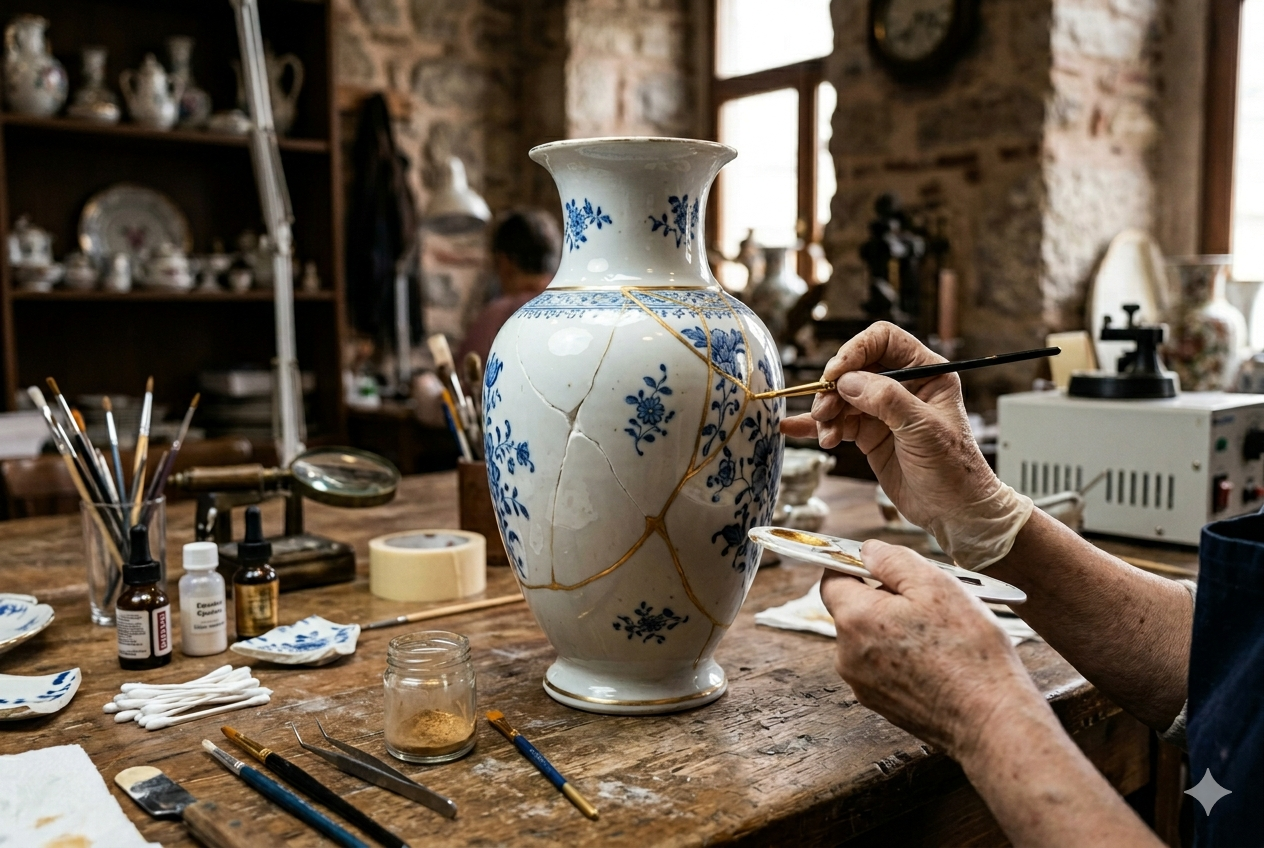
Professional Antique Restoration or DIY? Risks and Realities
Antiques are not merely aesthetic objects; they are also items of high cultural, historical, and sometimes emotional value, passed down from the past. The repair of antiques that wear out, break, or get damaged over time is crucial for preserving these valuable pieces. However, when choosing an approach to antique repair, determining the best method can be a complex matter. Repair work on antiques can be carried out using both professional and individual (DIY) methods. Both approaches have their advantages and challenges. This article will delve into the risks, advantages, and realities of opting for professional antique repair services versus undertaking repairs yourself.
1. Fundamental Requirements of Antique Repair
Antique repair is not just a physical intervention; it also involves an aesthetic, historical, and cultural process. Interventions on such items must be careful and informed. Each antique may be made from different materials: wood, porcelain, ceramic, metal, and leather are various materials, each with distinct properties and requiring special care. Therefore, different repair techniques and materials are necessary for each type of material.
The main considerations in antique repair are:
Ensuring Material Compatibility: Each material type requires specific care. For example, a silver tray cannot be repaired in the same way as a porcelain vase. Special techniques and materials are used for the repair of each material.
Aesthetic Integrity: Antique repair not only physically mends but also aims to preserve the object's aesthetic integrity. Scratches, discoloration, or other damage on the surface must be restored in a manner consistent with the antique's original aesthetic.
Historical Value: Every intervention on antique items can alter their historical value. Therefore, expertise is required to ensure that repairs do not harm the historical and cultural value of the items.
2. Professional Antique Repair: Pros and Cons
Professional antique repair is an approach typically undertaken by experienced specialists, which is much more informed from an aesthetic, functional, and historical perspective. Experts preserve the antique's value by using the most appropriate repair techniques and materials. However, this option comes with certain advantages and disadvantages.
a) Pros
Expertise and Experience: Since antique repair is a professional undertaking, procedures performed by experts are much more reliable. These specialists recognize all types of antiques and possess extensive knowledge in performing the correct interventions. This helps preserve the aesthetic and functional value of the antique.
Correct Material Usage: Professional restorers use the correct materials for repairs. Incorrect material usage can damage the antique's original texture and aesthetics. For example, the paint used to repair an old porcelain vase must be compatible only with porcelain.
Value Preservation: Professional restorers perform repairs in a way that preserves an antique's value. An incorrect intervention can lead to a loss of value for the antique. Experts take care not to damage the original texture when restoring valuable items.
Durability of Restoration: Professional restoration processes are generally more long-lasting. The higher the quality of antique repair, the longer the process may take to complete. Repairs performed by an antique specialist are more resistant to deterioration over time.
b) Cons
High Cost: Professional antique repair is often expensive. Labor, materials used, and expertise increase the price. Therefore, this cost can be prohibitive for some individuals.
Can Be Time-Consuming: The professional repair process can take time. The higher the quality of antique restoration, the longer it may take to complete. This can be an issue for those who need urgent repairs.
Loss of Control: An antique entrusted to professionals may not be repaired exactly as the owner wishes. Sometimes, desired details might be overlooked during the repair process. However, detailed communication beforehand is important to prevent such situations.
3. Do-It-Yourself (DIY) Antique Repair: Pros and Cons
DIY antique repair refers to mending an item yourself. This option can be appealing to individuals with various manual skills, as it offers both economic benefits and personal satisfaction. However, this option also brings many risks and challenges.
a) Pros
Lower Cost: Do-it-yourself (DIY) antique repair can be cheaper than paying a professional restorer. If the necessary tools and materials are already available, costs can be significantly reduced.
Personal Satisfaction: Repairing an antique yourself can create a great sense of satisfaction. Seeing the antique restored to its original state can provide a feeling of personal accomplishment.
Quick Intervention: If an urgent repair is needed, you can intervene immediately instead of waiting for a professional. This can be advantageous in emergency situations.
b) Cons
Lack of Experience: Antique repair is a field that requires expertise. Incorrect intervention can lead to damage to the antique. In DIY repairs, a lack of professional knowledge and experience can lead to serious problems. Especially using materials that are not suitable for the materials of old items can cause further damage.
Loss of Value: DIY repairs can cause items to lose their value. This can be a very serious problem, especially for items with collector's value. An incorrect repair can diminish the historical and cultural value of an antique.
Time and Patience: DIY repairs are generally time-consuming. Although advantageous in terms of cost, carefulness and patience are required during the repair process. A quick result may not always be possible.
Risk of Using Incorrect Methods: The methods to be used in antique repair are very delicate. Using an incorrect method or material can damage the original structure of the object and leave permanent marks.
4. Conclusion: Professional or DIY?
The decision in antique repair usually depends on the type of repair, the value of the antique, and the individual's skill level. Valuable and rare items generally require professional repair. Repairs performed by experts are safer to preserve the value and historical importance of such items.
However, for less valuable or personal items, the DIY method can also be preferred. If a person has knowledge and experience in antique repair, some minor repairs can be done independently. Nevertheless, in both cases, the fundamental point to consider is the preservation of the items' original value and avoiding incorrect interventions. Therefore, making the right decision based on the value of your items and the extent of the damage is crucial.